What Is Loop Marketing?
HubSpot’s AI-Era Framework for Growth
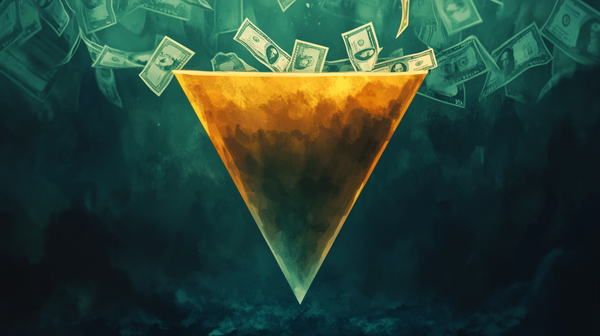
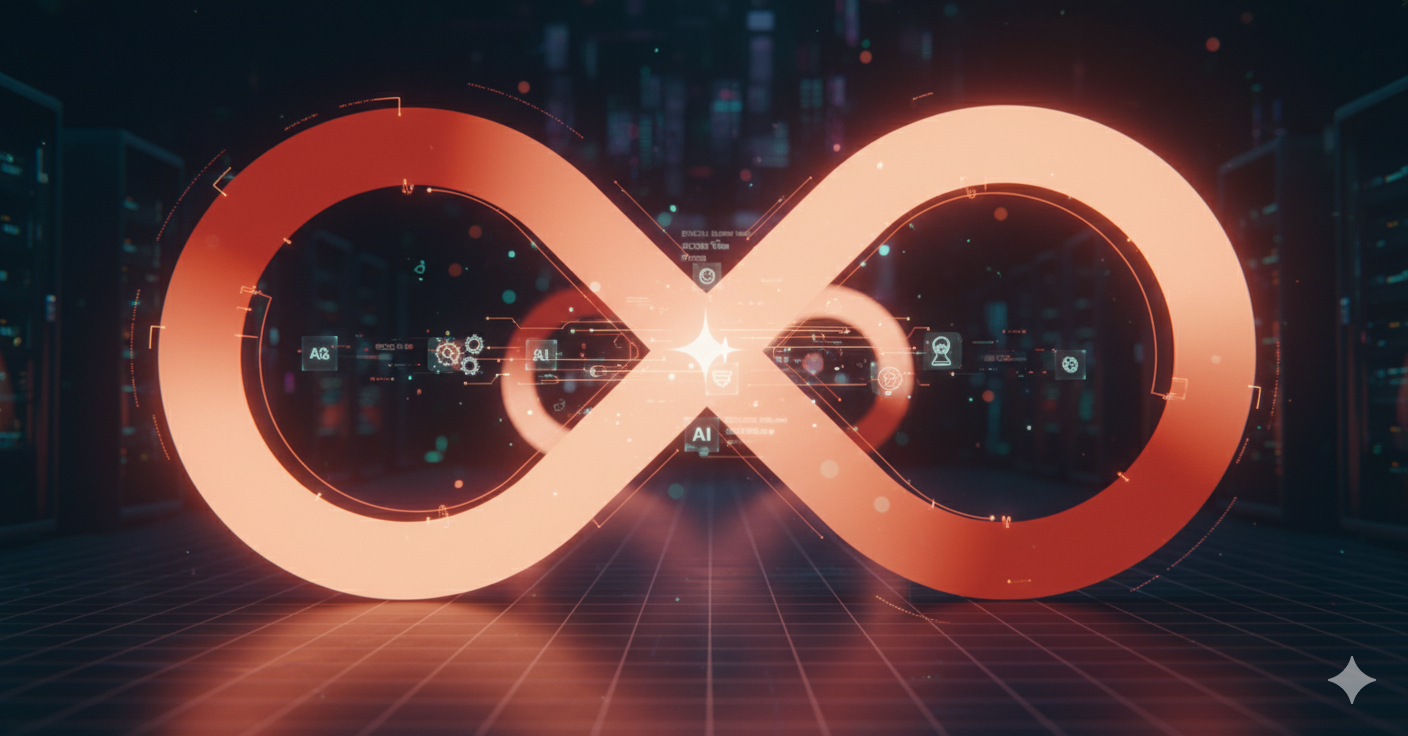
The classic sales funnel—wide at the top, narrow at the bottom—has been a staple of marketing for decades. But in the AI era, linear funnels are losing their edge. Buyers move faster, expect more, and rarely follow a straight path. HubSpot’s answer is Loop Marketing, a framework designed to replace the funnel with a cycle.
Instead of ending at purchase, every interaction—whether first click or repeat renewal—feeds the next. The loop is compounding, not linear. And at its best, it blends human creativity with AI intelligence.
The Four Stages of Loop Marketing
1. Express
Start with identity. What makes your brand distinct? Here, creativity and AI combine to shape voice, style, and perspective. The aim is not just to push content but to signal who you are—in a way that resonates deeply with your audience.
2. Tailor
Personalization, but sharper. Moving beyond “Hi [First Name],” this stage leans on unstructured data and AI to craft genuinely individualized experiences. Email becomes less of a broadcast and more of a conversation—unique to each recipient.
3. Amplify
It’s not enough to create; you have to distribute effectively. This is where AI Engine Optimization (AEO) comes in—long-tail content designed to answer specific, real questions. Think “what’s the exact solution to my problem” rather than broad SEO bait.
4. Evolve
Nothing stands still. AI-driven insight loops back into strategy, letting you adapt in real time. The message isn’t “set and forget” but “learn and shift.” The more you run the loop, the smarter it gets.
Why It Matters
HubSpot positions Loop Marketing as more than a new diagram—it’s an operating system. By connecting CRM data, AI-powered insights, and workflows across marketing, sales, and service, it keeps teams aligned.
Traditional funnels end at the sale. Loops compound over time, with each touchpoint strengthening acquisition, retention, and expansion. In practice, it means that a single customer action—reading an article, leaving feedback, or renewing a subscription—can ripple through the system and generate growth.
Where This Fits in the Bigger Picture
For consultants, entrepreneurs, and SMEs, the loop model feels closer to how business really works. Customers don’t fall neatly from awareness to purchase. They circle, return, drift, and re-engage. AI doesn’t replace the human spark, but it makes this cycle visible and actionable.
The challenge? Building the systems and discipline to keep the loop running. The payoff? Growth that compounds, rather than drains, at the end of a funnel.
📌 Source: HubSpot’s introduction to Loop Marketing